
Generative AI tools are now part of how people work, create, and solve problems. They are no longer limited to research labs or tech companies. Writers, designers, developers, marketers, and small businesses use them daily to save time and improve output quality.
This guide explains what these tools actually do, how people use them in real situations, and how to avoid common mistakes. The goal is clarity, not hype.
Table of Contents
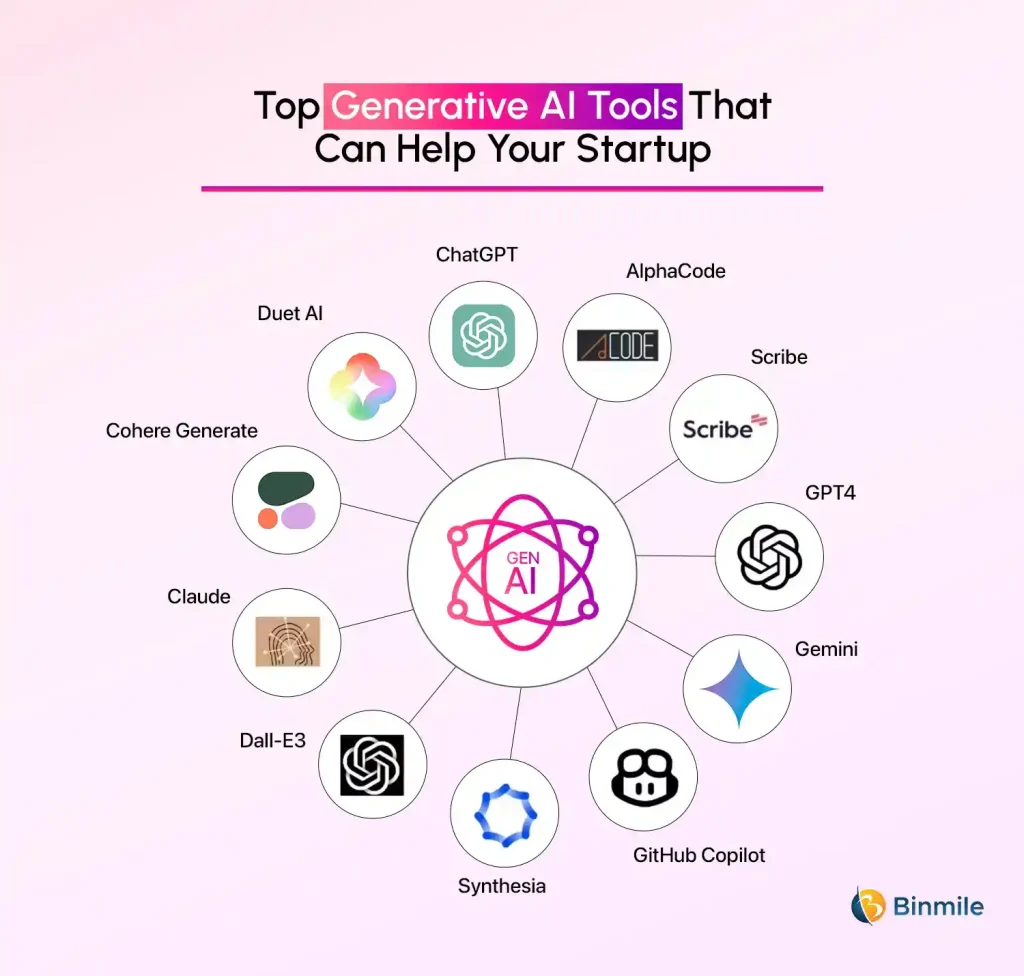
What Are Generative AI Tools?
Generative AI tools are applications that create new content rather than simply sorting or analyzing existing data. They can produce text, images, audio, video, and even code based on patterns learned from large datasets.
Unlike traditional automation software, these systems respond dynamically to user input. That flexibility is powerful, but it also means results depend heavily on how clearly the user communicates intent.
Why These Tools Are Being Adopted So Quickly
The rapid growth of generative AI tools is driven by practical benefits, not trends.
People use them because they:
- Reduce repetitive work
- Speed up early drafts and ideation
- Lower skill barriers for non-experts
- Help individuals handle larger workloads
When used correctly, they support productivity without replacing human judgment.
Main Categories You Should Know
Understanding categories helps users choose tools based on real needs instead of popularity.
Text and Writing Tools
Used for drafting articles, emails, summaries, documentation, and outlines. They are most effective as support tools, not final editors.
Image and Design Tools
These generate visuals from text prompts. Common uses include concept art, social media graphics, and layout inspiration. Human refinement is still required for accuracy and branding.
Audio and Video Tools
Often used for voiceovers, subtitles, short videos, and accessibility features. They save time but still need direction and review.
Code and Development Tools
Assist with boilerplate code, explanations, debugging, and testing ideas. They help developers move faster but should never replace reviews or testing.
Business and Productivity Tools
Support internal documentation, report summaries, workflow assistance, and structured data output across teams.
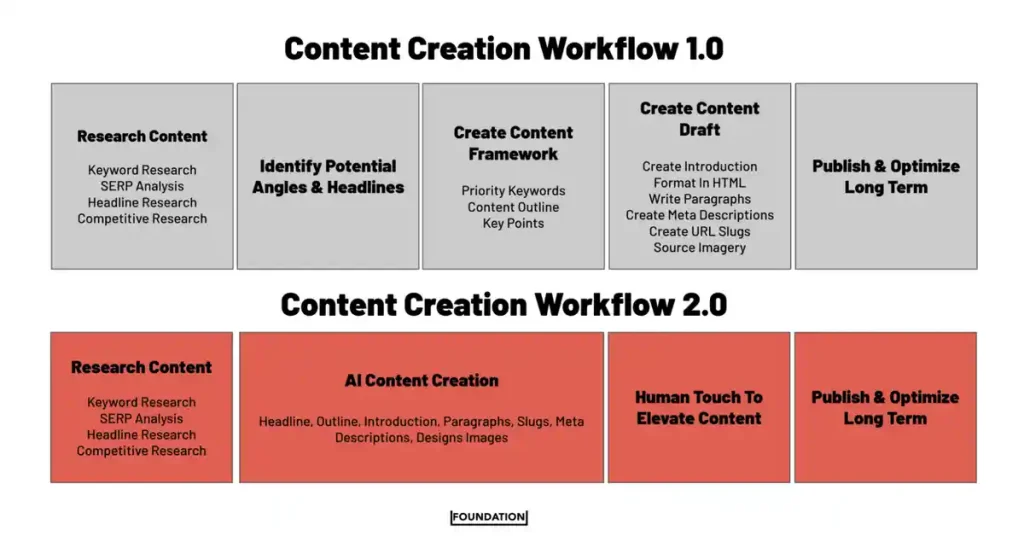
How Generative AI Tools Fit Into Real Workflows
In real environments, generative AI tools are rarely used alone. They are integrated into workflows where humans remain in control.
Common patterns include:
- Creating a first draft, then editing manually
- Generating multiple options, then selecting the best one
- Automating low-value tasks to focus on strategy
The tools work best as assistants, not decision-makers.
Benefits and Limitations to Understand
Key Benefits
- Faster task completion
- Improved consistency
- Easier ideation
- Better accessibility for beginners
Important Limitations
- Outputs can contain errors
- Context may be misunderstood
- Tone and nuance often need adjustment
- Over-reliance can reduce originality
Responsible use requires awareness of both sides.
Common Mistakes Users Make
Many problems come from unrealistic expectations, not from the tools themselves.
Typical mistakes include:
- Publishing output without review
- Using one tool for every task
- Giving vague instructions
- Assuming the system understands intent or emotion
Avoiding these mistakes leads to better results immediately.
Generative AI Tools and Content Quality
From a user and search perspective, quality matters more than speed. Generative AI tools can help with structure, clarity, and topic coverage, but they do not replace experience or insight.
High-quality content still requires:
- Clear purpose
- Human editing
- Accurate information
- Useful structure
Used properly, these tools support quality instead of reducing it.
How to Choose the Right Tool
When selecting generative AI tools, focus on outcomes rather than features.
Ask yourself:
- Does it solve a specific problem?
- Can I control and edit the output?
- Does it fit my workflow?
- Is the quality consistent over time?
Simple, reliable tools often outperform complex ones.
What the Future Looks Like
As adoption matures, generative AI tools are becoming more integrated and less experimental. The focus is shifting toward accuracy, transparency, and reliability rather than novelty.
The tools that last will be those that deliver steady, measurable value.
Final Thoughts
Generative AI tools are not shortcuts to excellence, but they are powerful productivity aids when used thoughtfully. They help people work faster, explore ideas, and reduce manual effort—while still requiring human responsibility and judgment.
Approached realistically, they become a long-term advantage rather than a passing trend.